When I was very young there was an old French encyclopaedia illustrated with black and white line drawings, I used to leaf through this looking at the pictures and one of my favourites showed scenes of fencing. It wasn’t till I was 18 and went to Nottingham to study fine art that I got the chance to engage with this sport.
As a competitor I reached the finals of a number of National events and won Regional Championships a number of times but I never had the opportunity to compete internationally. In the early 1990s, I was being offered work in coaching. At that time, I was working as an artist painting portraits and copies to commission, one problem with that was that sometimes you got a reasonably big payment and then that would sometimes run out before the next commission came in so a more steady extra income from coaching fencing looked like a good idea.

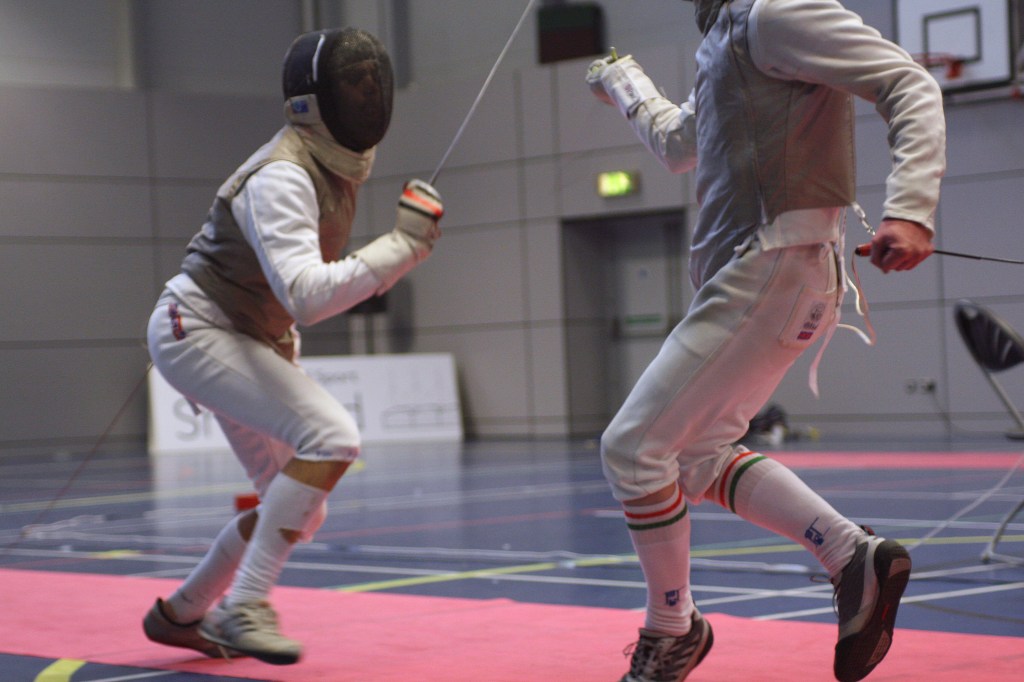
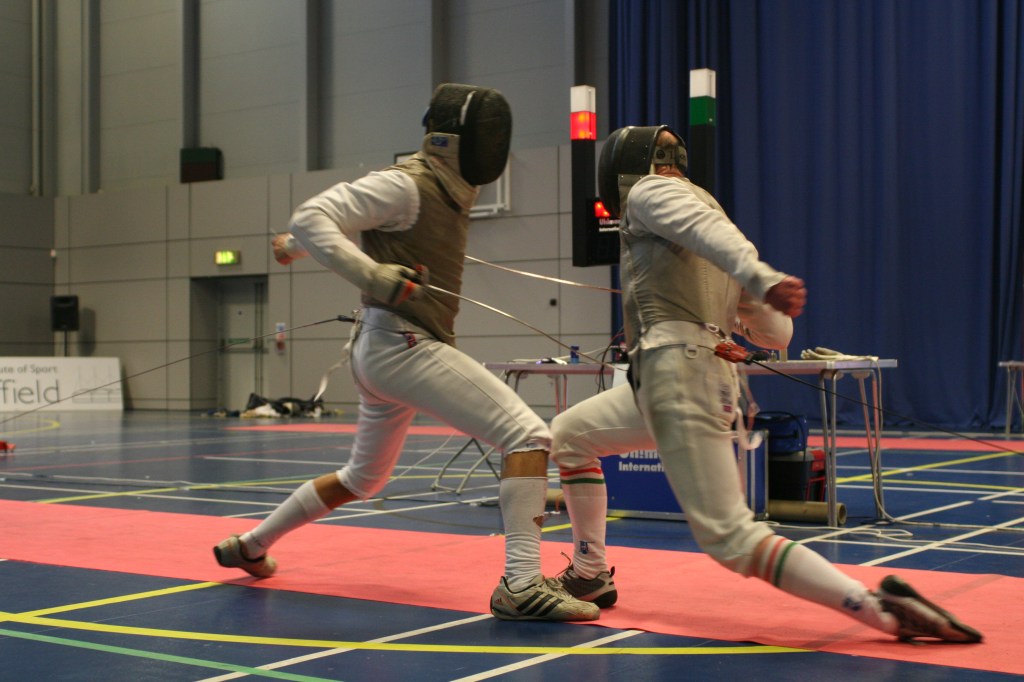
Over time fencers I coached started winning events, were selected to compete internationally at all sorts of international tournaments including World, European and Asian Championships. I think over the years I might have coached about 40 National champions, Also World Championship medallists, I had a fencer in the 2012 Olympics. I frequently travelled around the world to competitions as a coach, not just representing Britain but also the Republic of Ireland and also Taiwan. I seemed to be very highly regarded in Britain and abroad and people would travel a long way to receive coaching from me. My idea is that ultimately it isn’t really about winning, it’s about the ‘athlete’s journey’, the athlete has a path in front of them and some sort of dream but they don’t really know the path, they have never travelled it before. The job of the coach is to know the path and to clear the obstacles, which might be technical, tactical or physical skills or might be equipment problems, ‘political’ problems etc. frequently the athlete does not see the problems or even know that they have been sorted.
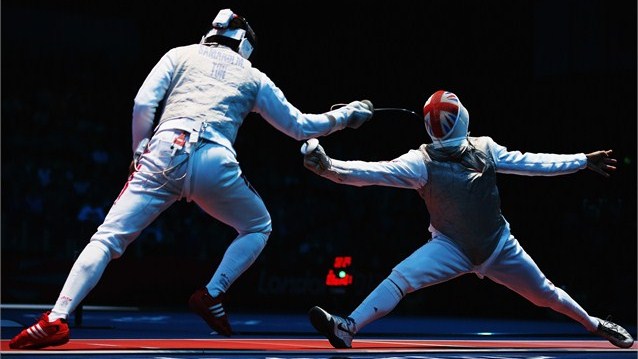
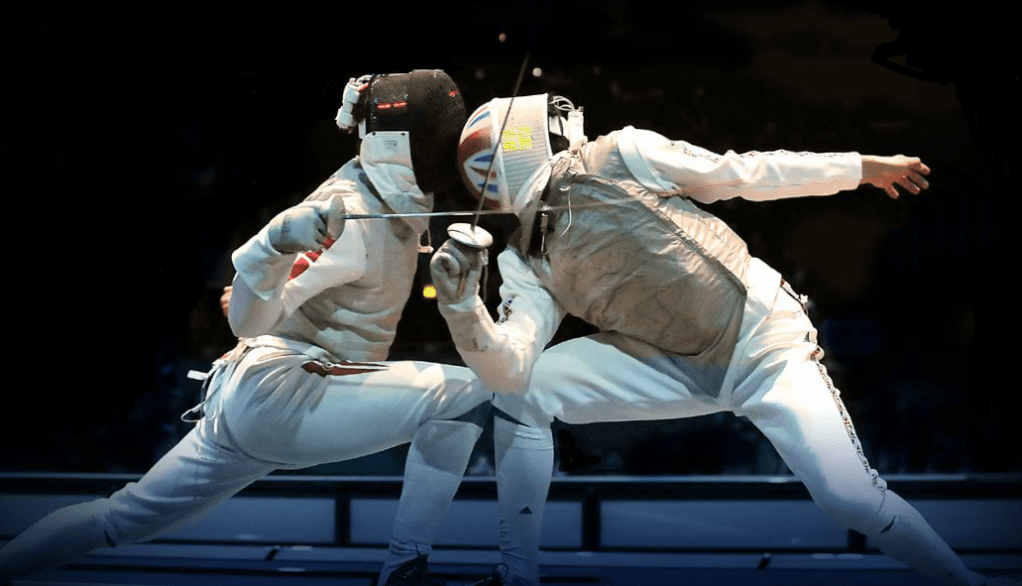
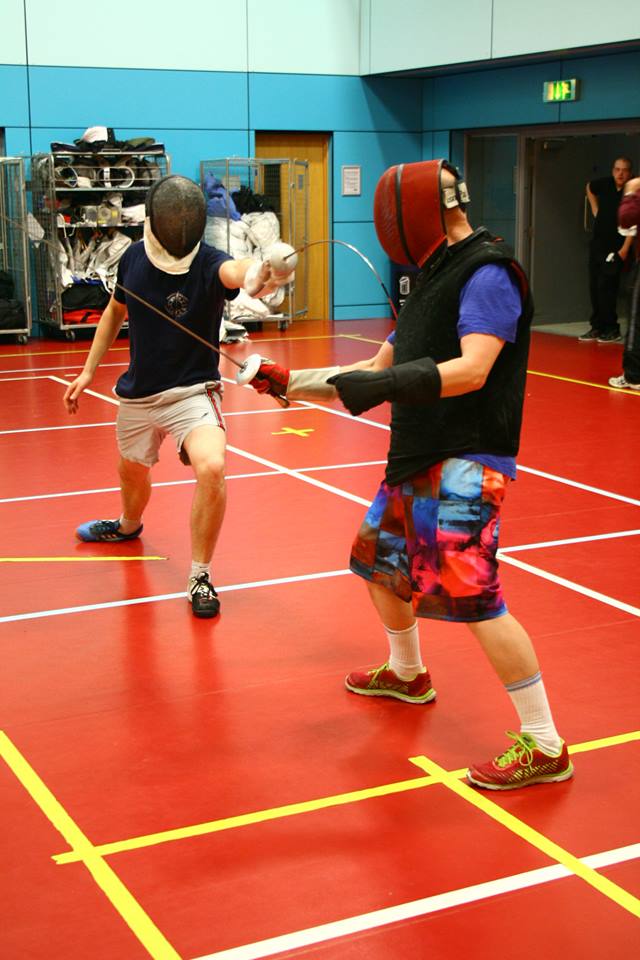
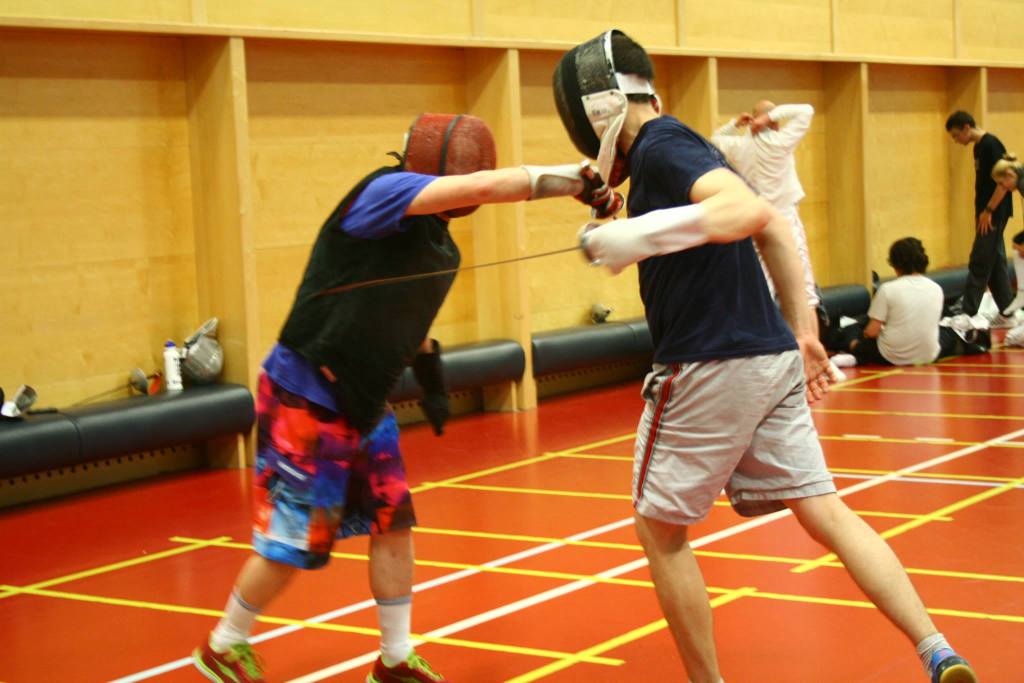
The training and competition in fencing, like any other Olympic sport, is intense and very hard and the environment is full of strong emotions, people are often very stressed or at the edge of their physical and mental capabilities. As a coach, you get used to working in these kind of environments and feeling calm and comfortable despite the stress all around you.
More recently, I have been working on Netflix stuff, designing and choreographing sword actions and training the actors and stunt performers. I actually can’t talk about the latest thing I’ve worked on until it comes out next year.
 Anphortas